











Businesses use AI agents to automate customer-facing conversations, answering FAQs, booking appointments, tracking orders, qualifying leads, and resolving support queries across channels like WhatsApp, voice, SMS, and RCS, without adding headcount.
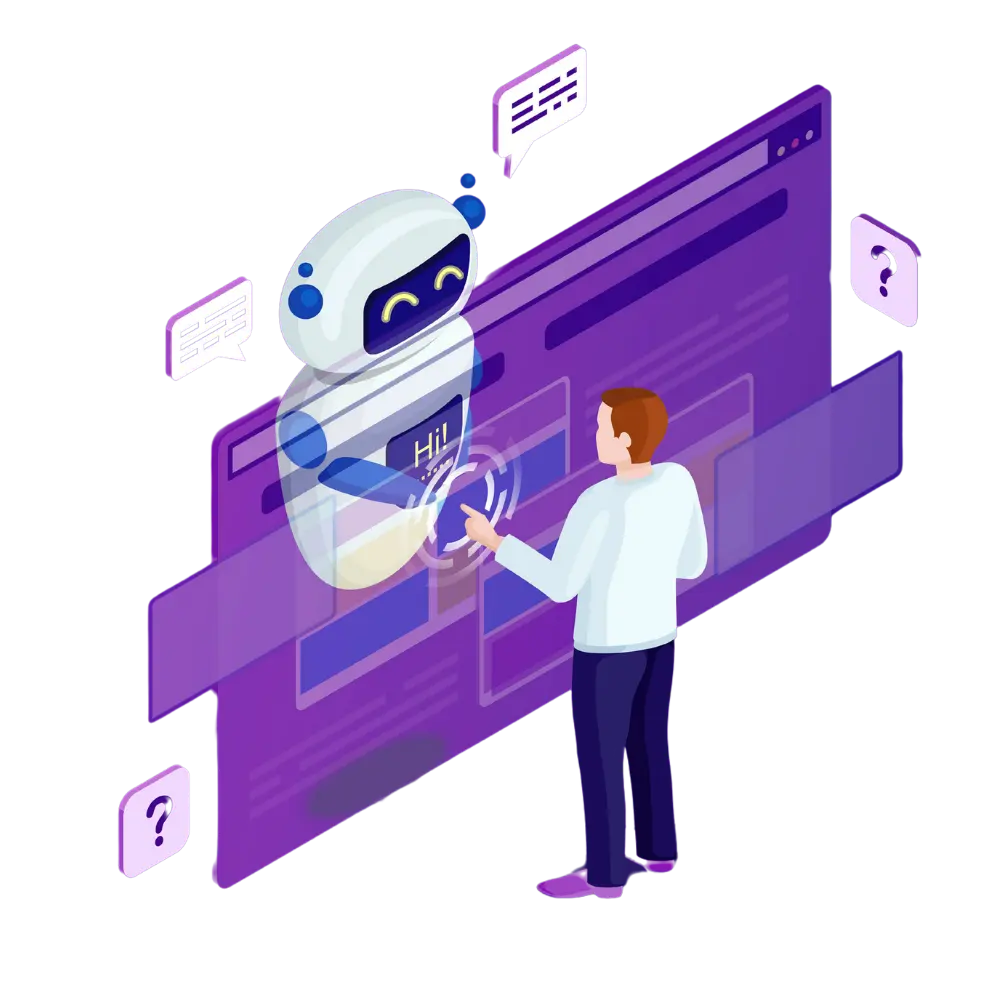
Traditional chatbots follow fixed, rule-based scripts and break outside them. AI agents use large language models to understand intent, hold multi-turn conversations, take real actions (like fetching an order status), and hand off to a human when needed.
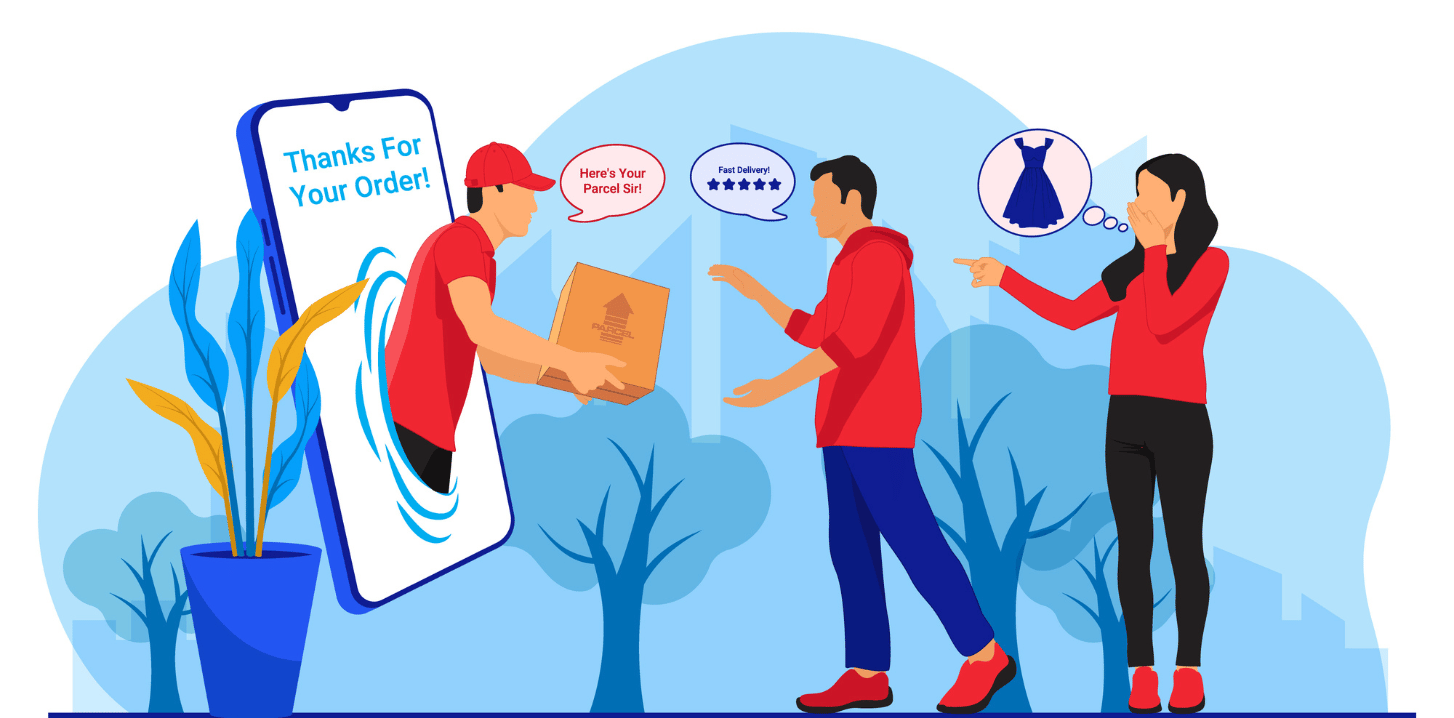
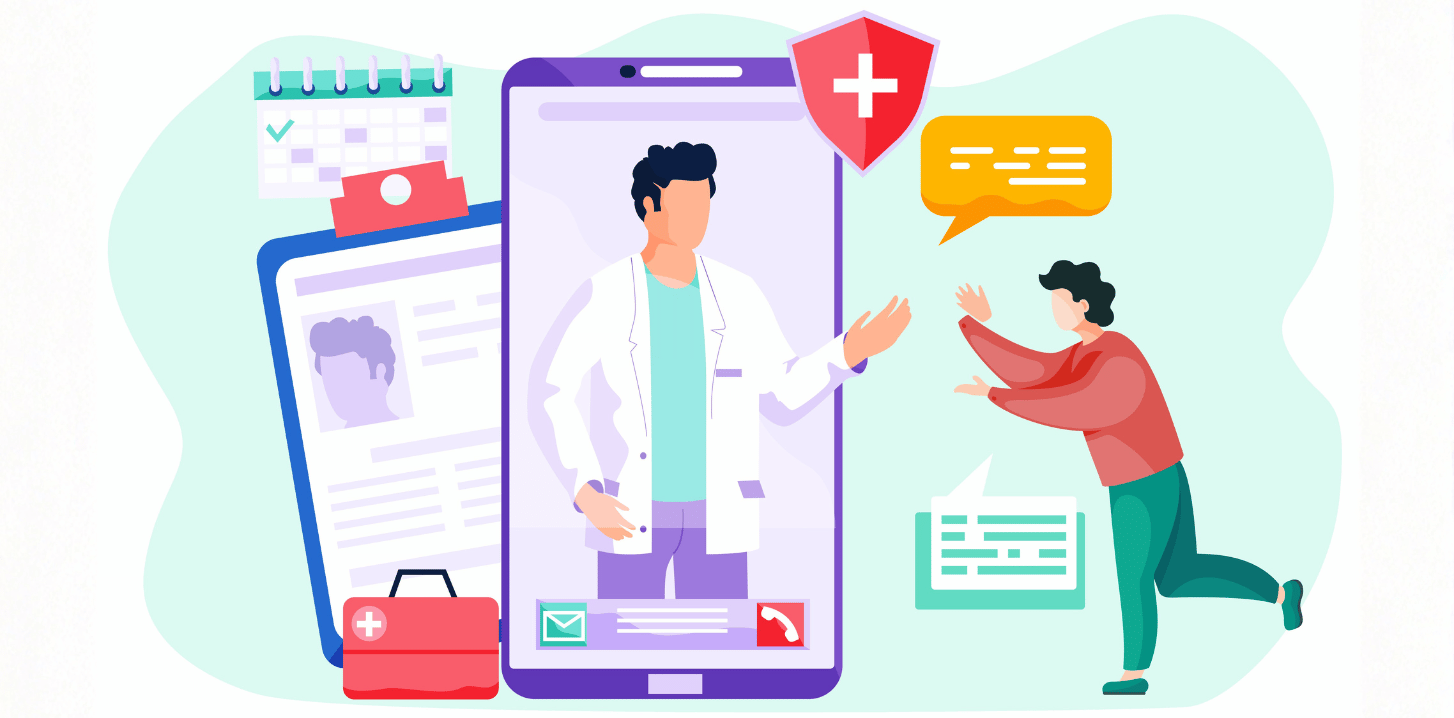
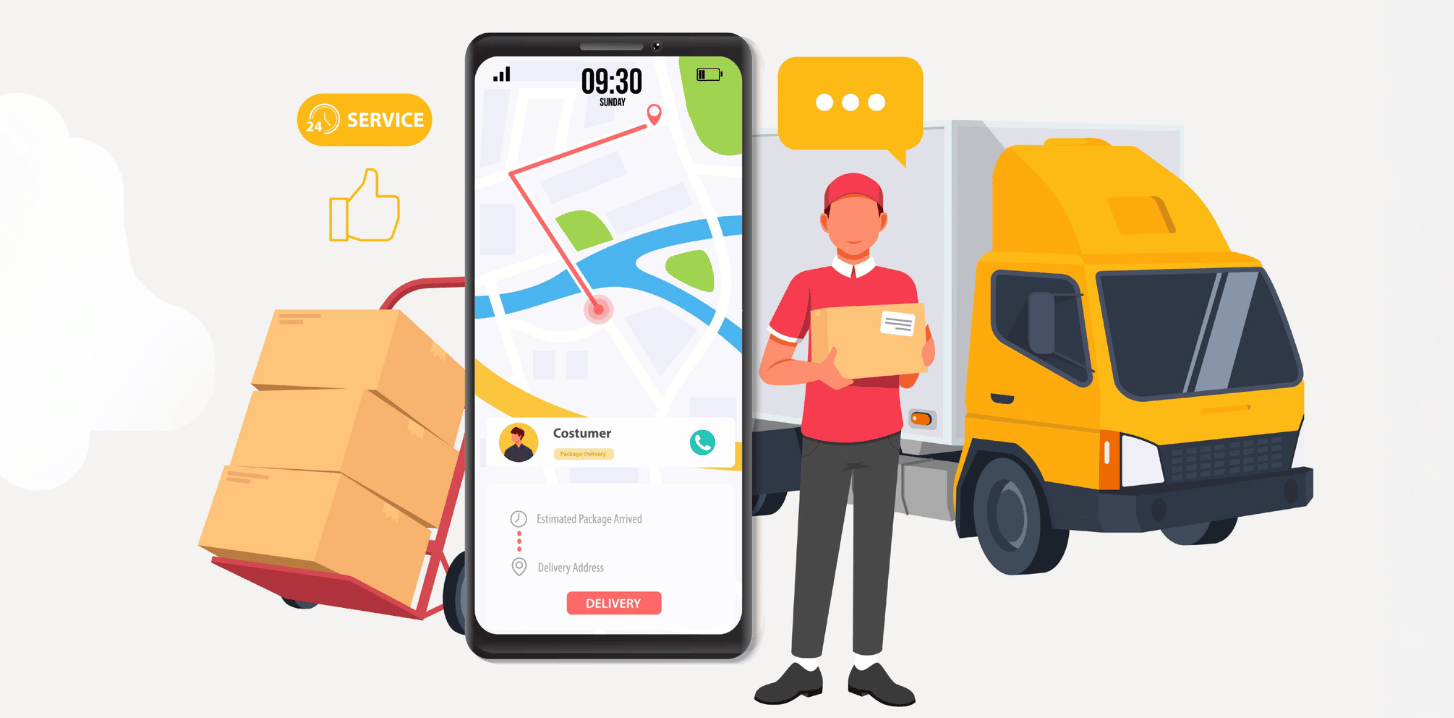
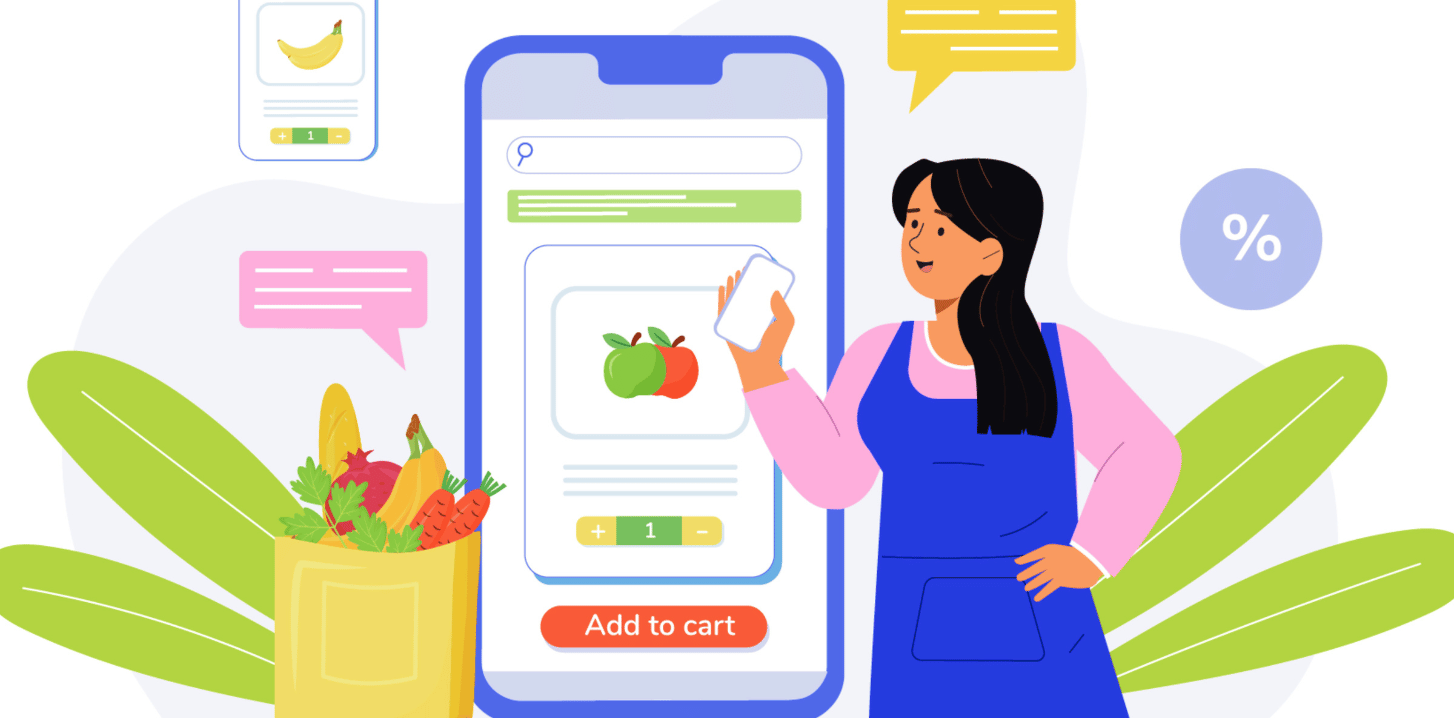
Retail, banking, healthcare, logistics, travel, and automotive see the fastest ROI because they handle high volumes of repetitive customer queries, order status, appointment booking, KYC, and troubleshooting that AI agents can resolve instantly.
Yes. On an omnichannel CPaaS platform like Zapim, a single AI agent is built once and deployed across WhatsApp, Voice, SMS, and RCS, so customers get a consistent experience whichever channel they choose.
No, they handle repetitive, high-volume queries so human agents can focus on complex or sensitive cases. Most deployments use AI-to-human handover, where the agent shares full conversation context before transferring.
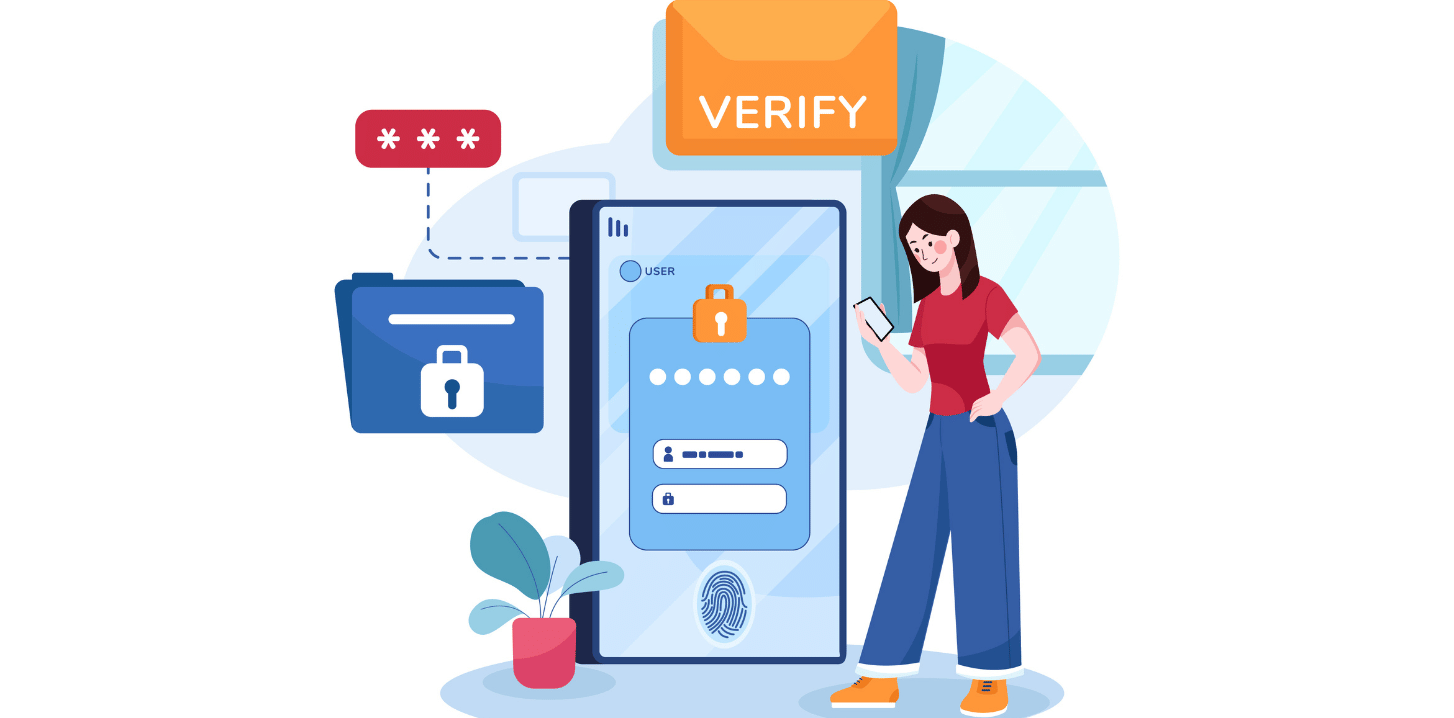
Enterprise-grade platforms encrypt conversations, restrict data access by role, and comply with regulations relevant to the industry (like data localisation for BFSI or HIPAA-aligned handling for healthcare). Always confirm a vendor's security certifications before deployment.
With a pre-built, industry-specific AI agent template, most businesses can go live in days rather than months, configuration and integration with existing CRM, order, or ticketing systems is the main variable.
Common outcomes include reduced average response time, lower cost per resolution, higher lead conversion, and 24/7 availability without added staffing, with measurable gains typically visible within the first few weeks.